For years, the conventional advice on weighing yourself was: don’t do it every day. The reasoning was that daily fluctuations would be discouraging and psychologically counterproductive. Step on the scale once a week, they said, and don’t obsess over the number.
That advice has been substantially revised by more recent research. The evidence now points in a different direction for most people.
What the daily weighing studies found
A 2015 study in the Journal of the Academy of Nutrition and Dietetics followed 47 adults over 12 months and found that daily weighers lost more weight than those who weighed themselves infrequently, and were more successful at keeping it off at follow-up. The more frequently participants weighed themselves, the more weight they lost.
A 2019 study in the journal Obesity looked at over 1,000 people and found that the relationship between weighing frequency and weight loss was consistent: daily weighers had the best outcomes, weekly weighers had intermediate outcomes, and infrequent weighers had the worst.
The proposed mechanism is feedback. The scale number provides immediate information about whether recent behaviors are moving you in the right direction. That information allows for small, frequent corrections rather than large corrections at longer intervals. It’s the same principle behind blood glucose monitoring in diabetes management — frequent feedback drives behavior change more effectively than infrequent feedback.
The fluctuation problem
The concern about daily fluctuations is real. Your weight can change by two to five pounds between morning and evening, and from day to day, based on water retention, food volume, hormonal shifts, and other factors entirely unrelated to fat mass.
The practical solution is to standardize the measurement: weigh at the same time every day (morning, after using the bathroom, before eating or drinking), wearing the same clothes or nothing. Under those conditions, day-to-day fluctuations are smaller and trend lines become visible over a week.
Looking at a seven-day average rather than any single reading makes the data more meaningful. Many smart scales calculate this automatically. If yours doesn’t, tracking in a spreadsheet or app and looking at the week-over-week trend accomplishes the same thing.
Who this doesn’t apply to
The research above applies to people whose relationship with the scale is essentially neutral or mildly aversive — the typical experience of not wanting to see a number that isn’t where you want it.
For people with a history of eating disorders or with significant weight-related anxiety, daily weighing can be counterproductive or genuinely harmful. This is where the older advice came from, and it’s still the right advice for that group.
If weighing yourself produces significant distress that persists beyond a minute or two, or if it triggers restrictive or compensatory behaviors, the psychological cost outweighs the feedback benefit.
Beyond body weight
One limitation of body weight as a primary metric: it doesn’t distinguish between fat, muscle, and water. Someone who starts strength training may lose fat and gain muscle simultaneously, with minimal change in scale weight, while their metabolic health improves significantly.
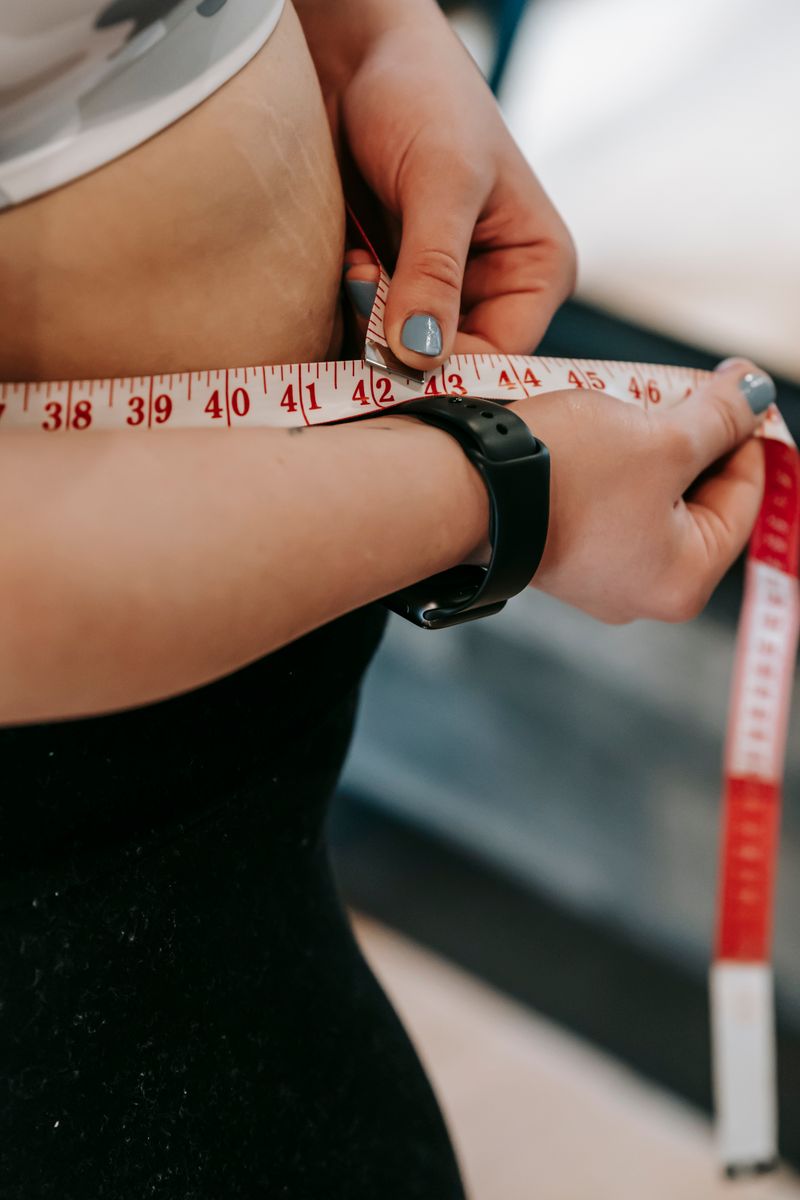
This is why tracking other metrics alongside weight — waist circumference, energy levels, blood sugar if relevant, clothing fit — gives a more complete picture. The scale is a useful tool. It’s not the whole story.
This content is for educational purposes only and is not medical advice. Consult your healthcare provider before making changes to your diet, supplements, or medications.