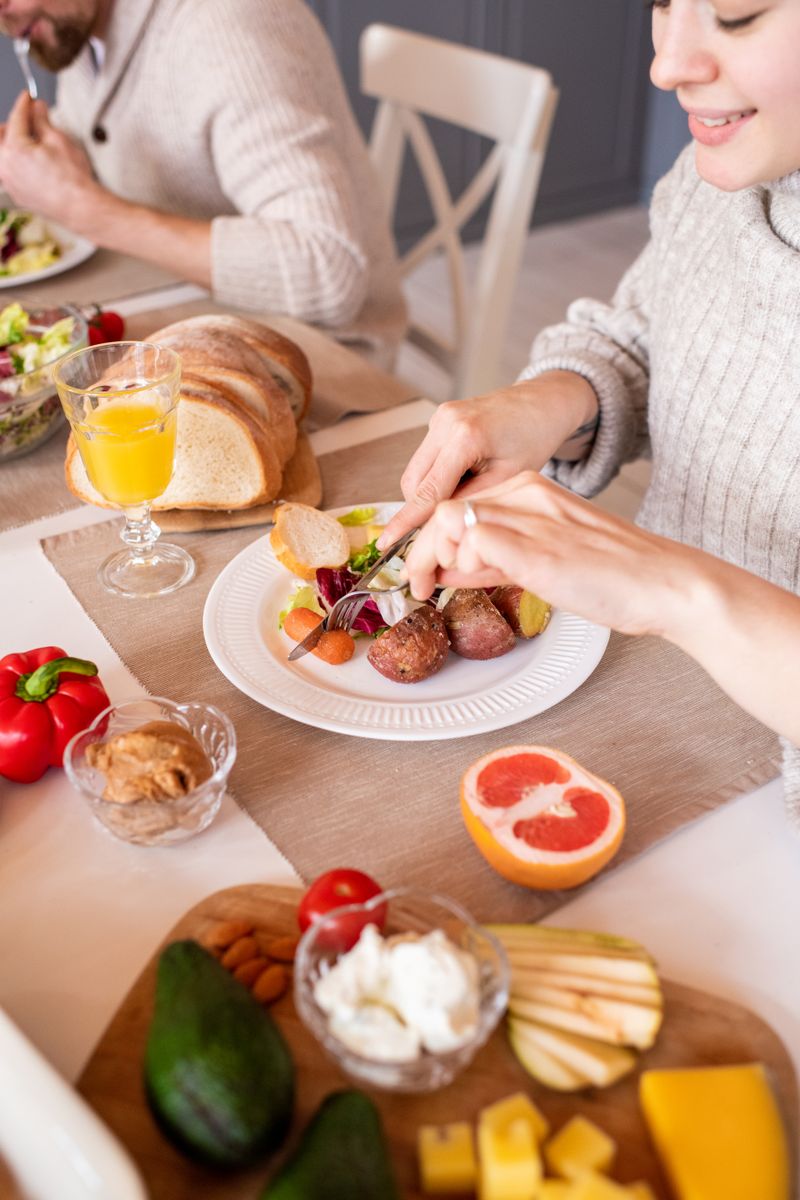
Probiotics get most of the gut health attention, but prebiotics are arguably more important for most people — and far less understood. Here’s a plain-English explanation of what prebiotics are and what the evidence shows about supplementing them.
What prebiotics are
Prebiotics are substrates that gut bacteria ferment for fuel. They’re not live organisms (that’s probiotics). They’re food for the organisms already there.
The most studied prebiotics are inulin and fructooligosaccharides (FOS). Both are chains of fructose molecules that human digestive enzymes can’t break down — so they reach the colon intact, where bacteria ferment them into short-chain fatty acids (SCFAs), particularly butyrate.
Butyrate is the primary energy source for colonocytes (colon lining cells), promotes gut barrier integrity, and has anti-inflammatory effects that extend systemically. SCFA production from prebiotic fermentation is one of the most evidence-backed mechanisms in gut health research.
Other prebiotics with solid evidence include beta-glucan (from oats and barley), arabinoxylan (from whole wheat), and pectin (from apples and other fruits). Resistant starch also functions as a prebiotic.
How prebiotic fermentation affects insulin sensitivity
The gut fermentation of prebiotics improves insulin sensitivity through several mechanisms. SCFAs produced from prebiotic fermentation appear to directly activate insulin-sensitizing pathways in liver and muscle cells. Butyrate specifically has been shown in multiple studies to improve insulin sensitivity independent of weight loss.
A 2019 randomized trial in Gut found that inulin-propionate ester supplementation (a specific prebiotic) reduced liver fat and improved insulin sensitivity in overweight adults over 42 weeks. Propionate supplementation specifically reduced hepatic glucose production — a key driver of elevated fasting blood sugar.
A 2021 meta-analysis in Critical Reviews in Food Science and Nutrition found that prebiotic supplementation significantly reduced fasting blood glucose and improved insulin resistance markers compared to placebo across multiple randomized trials.
Foods vs. supplements
Here’s the honest assessment of the food-versus-supplement question: the best sources of inulin and FOS are ordinary foods you can eat. Chicory root is the richest source (and what most inulin supplements are extracted from), but Jerusalem artichokes, onions, garlic, leeks, asparagus, and bananas all contain meaningful amounts.
A 2022 study in Cell Host & Microbe found that high-fiber dietary interventions produced greater and more sustained improvements in microbiome function and SCFA production than equivalent prebiotic supplements — probably because whole foods contain multiple prebiotic types that feed a broader range of bacterial species.
If your diet is already rich in vegetables, legumes, and whole grains, an inulin supplement is unlikely to add meaningful benefit on top of that. If your fiber intake is genuinely low (most Americans consume about 15 grams per day, well below the 25–38 gram recommendation), that’s a more pressing issue than what form the fiber takes.
If you do supplement
Inulin and FOS supplements typically come in powder form that can be added to beverages. Start with a small dose (3–5 grams) and increase gradually. These compounds ferment actively in the gut, and jumping to a high dose quickly causes gas, bloating, and cramping in most people. The GI side effects are real but usually resolve as the microbiome adapts over a few weeks.
This content is for educational purposes only and is not medical advice. Consult your healthcare provider before making changes to your diet, supplements, or medications.