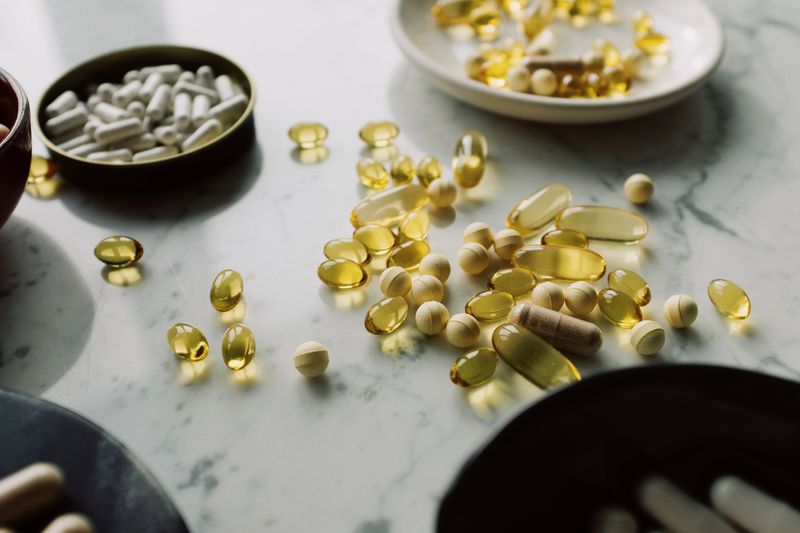
I get more questions about blood sugar supplements than almost any other topic. And the market is enormous — billions of dollars a year in products ranging from rigorous to outright fraudulent.
Let me save you some time and money. Here are the five compounds with legitimate evidence behind them, what that evidence actually shows, and what it doesn’t.
1. Berberine
Evidence level: Strong (for people with prediabetes or type 2 diabetes)
Berberine has the most substantial research of any blood sugar supplement. Multiple randomized controlled trials and meta-analyses have found that 1,000–1,500mg daily reduces fasting glucose, post-meal glucose, A1C, and lipids.
A 2019 meta-analysis in Medicine pooling 27 trials showed:
- Average A1C reduction: 0.72 percentage points
- Average fasting glucose reduction: 20.9 mg/dL
Important caveats: GI side effects are common (nausea, diarrhea) especially at higher doses. It inhibits liver enzymes and can interact with statins, blood thinners, and other medications. Don’t combine with metformin without telling your doctor.
Best for: people with elevated A1C (5.7–6.4%) who are not on conflicting medications.
Full berberine research breakdown here.
2. Magnesium
Evidence level: Moderate (strongest if you’re deficient)
Magnesium is involved in over 300 enzymatic processes, including several steps in insulin signaling. Studies consistently show that people with type 2 diabetes have lower magnesium levels than people without it — and low magnesium correlates with worse insulin resistance.
A 2017 meta-analysis in Nutrients found that magnesium supplementation significantly reduced fasting blood glucose and improved insulin sensitivity in people who were deficient. The effects were more modest in people with normal magnesium levels.
Roughly 50% of Americans don’t get adequate magnesium from diet. The best dietary sources: dark leafy greens, pumpkin seeds, beans, dark chocolate.
Supplement form matters: magnesium glycinate and magnesium malate are better absorbed and less likely to cause the diarrhea associated with magnesium oxide. Typical dose in research: 250–400mg per day.
3. Chromium
Evidence level: Mixed (effect exists but is modest)
Chromium is a trace mineral that appears to enhance insulin’s binding to its receptors. The research is older and more mixed than berberine or magnesium.
A 2007 Cochrane review found that chromium supplementation produced modest but statistically significant improvements in fasting glucose and A1C in people with type 2 diabetes. The effect size was small — about 0.6 percentage points reduction in A1C.
Concerns: some animal studies have raised questions about chromium picolinate (a common supplement form) at high doses. Most human studies used doses of 200–1,000mcg daily. The safety profile at typical supplement doses appears acceptable for most people.
Best for: people who have ruled out more evidence-backed interventions first. This is a tier 2 or 3 supplement, not a tier 1.
4. Alpha-Lipoic Acid (ALA)
Evidence level: Moderate (strongest for diabetic neuropathy)
Alpha-lipoic acid is an antioxidant produced naturally in the body and found in small amounts in foods like spinach, broccoli, and organ meats.
The strongest evidence for ALA is in diabetic peripheral neuropathy — nerve pain and numbness in the feet and legs associated with long-term diabetes. Multiple European trials have used ALA intravenously for this purpose, and oral supplementation also shows benefit.
For glucose control specifically, the evidence is more modest. ALA appears to improve insulin-stimulated glucose uptake in muscle cells, but the effects on A1C in clinical trials have been small.
Where ALA does have consistent evidence: reducing oxidative stress markers associated with diabetes complications. If you have established type 2 diabetes and are concerned about complications, ALA has a reasonable evidence base at 300–600mg daily.
5. Cinnamon
Evidence level: Weak to moderate (effects smaller than often claimed)
Cinnamon gets a lot of attention because early studies showed promising effects on fasting glucose. The mechanism: compounds in cinnamon appear to improve insulin receptor sensitivity.
The reality after a decade of follow-up research: the effects are real but small. A 2013 meta-analysis in the Journal of the Academy of Nutrition and Dietetics found average fasting glucose reductions of about 8 mg/dL and A1C reductions of about 0.09 percentage points — meaningful at the population level, modest for an individual.
Important note: most of the positive studies used Ceylon cinnamon (true cinnamon), not Cassia cinnamon (the kind in most grocery stores). Cassia cinnamon contains high levels of coumarin, which can cause liver damage at high doses.
If you’re using cinnamon as a food spice, it’s fine. If you’re taking it in capsule form hoping for a significant therapeutic effect, the evidence doesn’t support that.
What none of these replace
Supplements are additions to — not substitutes for — the interventions with the strongest evidence: post-meal walking, meal composition and sequencing, resistance training, and sleep.
If you’re considering starting any supplement, talk to your pharmacist or doctor about drug interactions first, especially if you’re on medications for diabetes, blood pressure, or cholesterol.
This content is for educational purposes only and is not medical advice. The FDA has not evaluated these supplements for the prevention or treatment of diabetes or any other disease. Do not change prescribed medications based on supplement use without consulting your healthcare provider.